
This article by Denis Dragunsky was published on February 25, 2022, i.e. the day after his state launched a full-scale armed invasion of a neighboring sovereign country.
.png) Article editors: Mark Beygelzimer, PhD, systems analyst, head of the Trust but Verify project, Victoria Zherdenovska, editor-in-chief of the Trust but Verify project.
Article editors: Mark Beygelzimer, PhD, systems analyst, head of the Trust but Verify project, Victoria Zherdenovska, editor-in-chief of the Trust but Verify project.
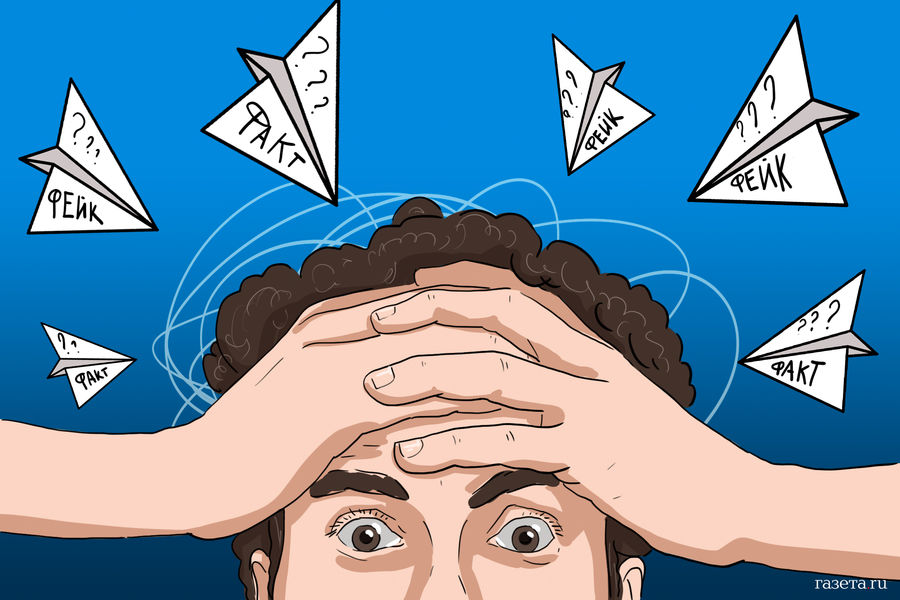
Cover image – "Gazeta.Ru"
Reference: Denis Dragunsky (born December 15, 1950, Moscow) is a Soviet and Russian writer and journalist, PhD in philosophy, columnist for the online edition of Gazeta.ru.
Excerpts from the article
(original - Gazeta.ru online edition, February 25, 2022, 10:04 AM)
… In natural sciences and, partly, in history, there are still some more or less acceptable ways to prove that something actually happens. But in politics, especially current politics, the case is much more precarious.
"Post-truth" is not at all an invention of recent years. To paraphrase Nikolai Tikhonov, a famous Soviet poet of his time, we can safely say: "Post-truth ate and drank with us. Any form of censorship, any silencing, sanctimonious parentheses or asterisks instead of phrases and individual words, bans on books, movies, plays and paintings - the same post-truth.
Actually, all this fashionable "post-truth" is probably just a polite synonym for the word "lie", to create a deliberately false picture. Emphasis on the word "knowingly." Because most of our claims are bona fide delusions.
I find it very humbling (and actually disturbing) that many people say: "In politics, you cannot be guided by the opinion of others, the opinion of others only works on those who are weak in mind or spirit. You have to think for yourself.
An absolutely impossible requirement! We live only and exclusively in social mirrors. We learn our name from mom and dad. We learn our worth from the people around us, starting with a friend in the sandbox and ending with a great-grandchild, if we are lucky. Whether we are liberal or conservative, smart or stupid, rich or poor, honest or mean, we also learn from others. Reflected in other people's eyes and other people's opinions.
And here, it would seem, is the simplest question: was something there or was it not? How and how can one find out, verify, make sure?
Alas, only by hearsay.
I will allow myself a long but beautiful quote from François Rabelais.
"...We went to the place whence the noise came, where we found a diminutive, monstrous, misshapen old fellow, called Hearsay. His mouth was slit up to his ears, and in it were seven tongues, each of them cleft into seven parts. However, he chattered, tattled, and prated with all the seven at once, of different matters, and in divers languages.
He had as many ears all over his head and the rest of his body as Argus formerly had eyes, and was as blind as a beetle, and had the palsy in his legs.
About him stood an innumerable number of men and women, gaping, listening, and hearing very intensely... Those men of happy memories grew learned in a trice, and would most fluently talk with you of a world of prodigious things, the hundredth part of which would take up a man's whole life to be fully known.
Among the rest they descanted with great prolixity on the pyramids and hieroglyphics of Egypt, of the Nile, of Babylon, of the Troglodytes, the Hymantopodes, or crump-footed nation, the Blemiae, people that wear their heads in the middle of their breasts, the Pigmies, the Cannibals, the Hyperborei and their mountains, the Egypanes with their goat's feet, and the devil and all of others; every individual word of it by hearsay.
I am much mistaken if I did not see among them Herodotus, Pliny, Solinus, Berosus, Philostratus, Pomponius Mela, Strabo, and God knows how many other antiquaries.
Then Albert, the great Jacobin friar, Peter Tesmoin, alias Witness, Pope Pius the Second, Volaterranus, Paulus Jovius the valiant, Jemmy Cartier, Chaton the Armenian, Marco Polo the Venetian, Ludovico Romano, Pedro Aliares, and forty cartloads of other modern historians, lurking behind a piece of tapestry, where they were at it ding-dong, privately scribbling the Lord knows what, and making rare work of it; and all by hearsay.
Behind another piece of tapestry (on which Naboth and Susanna's accusers were fairly represented), I saw close by Hearsay, good store of men of the country of Perce and Maine, notable students, and young enough.
I asked what sort of study they applied themselves to; and was told that from their youth they learned to be evidences, affidavit-men, and vouchers, and were instructed in the art of swearing; in which they soon became such proficients, that when they left that country, and went back into their own, they set up for themselves and very honestly lived by their trade of evidencing, positively giving their testimony of all things whatsoever to those who feed them most roundly to do a job of journey-work for them; and all this by hearsay."
("Gargantua and Pantagruel", Chapter 5.XXVI).
Note: Thucydides and Xenophontes are not among the famous historians mentioned. Why? Because they were eyewitnesses and participants in the events they described. And the others knew about everything by hearsay.
Pay attention to how this very Hearsay looks like.
He has neither legs nor eyes - that is, he doesn't go anywhere and can't see anything. But he has many ears. So it is - already in the first half of the 16th century! - is set up like a typical modern news site. It aggregates what has entered it without checking not only the reliability of the information, but also its factuality in general - not only "so it was or not so it was", but also in general "it was or not so it was". And transmits it further with all its seven languages in different languages.
The information nightmare lasts for five centuries, and every day the flow of various lies only increases.
However, the desire to have an opinion of their own torments many ... How to sort it all out? How to reliably separate lies from truth, fact from fiction, accidental omission from malicious falsification, and, finally, sincere concern from fraudulent manipulation?
The honest answer is: don't even try.
One's own opinion in politics cannot be factual, because facts are pouring down on us in a mudslide - you can't get rid of them anyway.
One's own opinion can only be moral. [emphasis added by the editors of this article].
And morality can be - must be! - only good. Otherwise, it is not morality at all.
.png) Editors' comment
Editors' comment
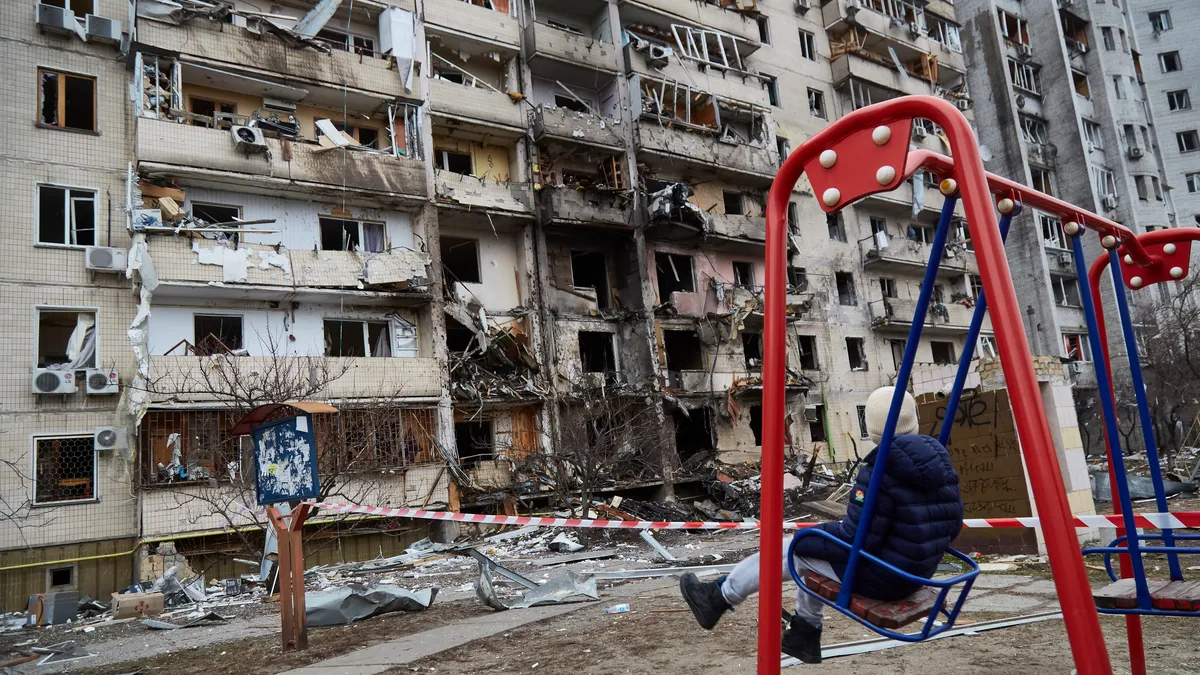
In place of Hearsay, a few photographic documents from our time.
On morality.
On politics...
.jpg)
Vladimir Putin's address to the Federal Assembly is broadcast on an open screen in Russia's annexed Crimea, February 21, 2023. Photo: Alexey Pavishak / Reuters / Scanpix / LETA. Source: Meduza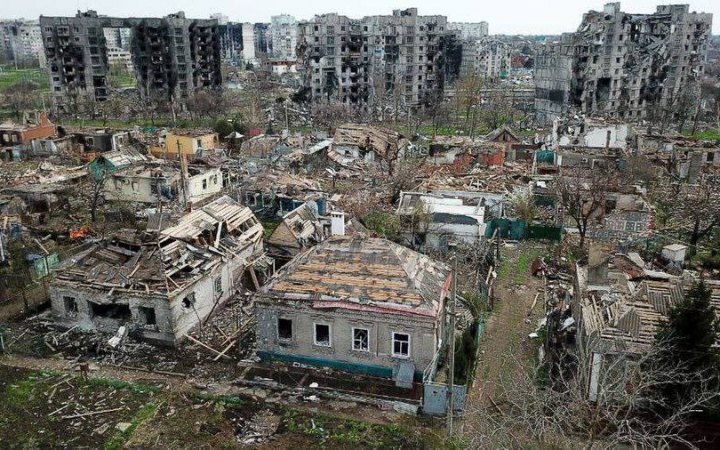
The city of Mariupol, Ukraine, after continuous aerial bombardment. Photo May 16, 2022. Source: Unian.net

.jpg)
A child on a swing near an apartment building destroyed by a missile on February 25, 2022 in Kiev, Ukraine. Photo: Pierre Crom/Getty Images. Source: Novaya Gazeta Europe
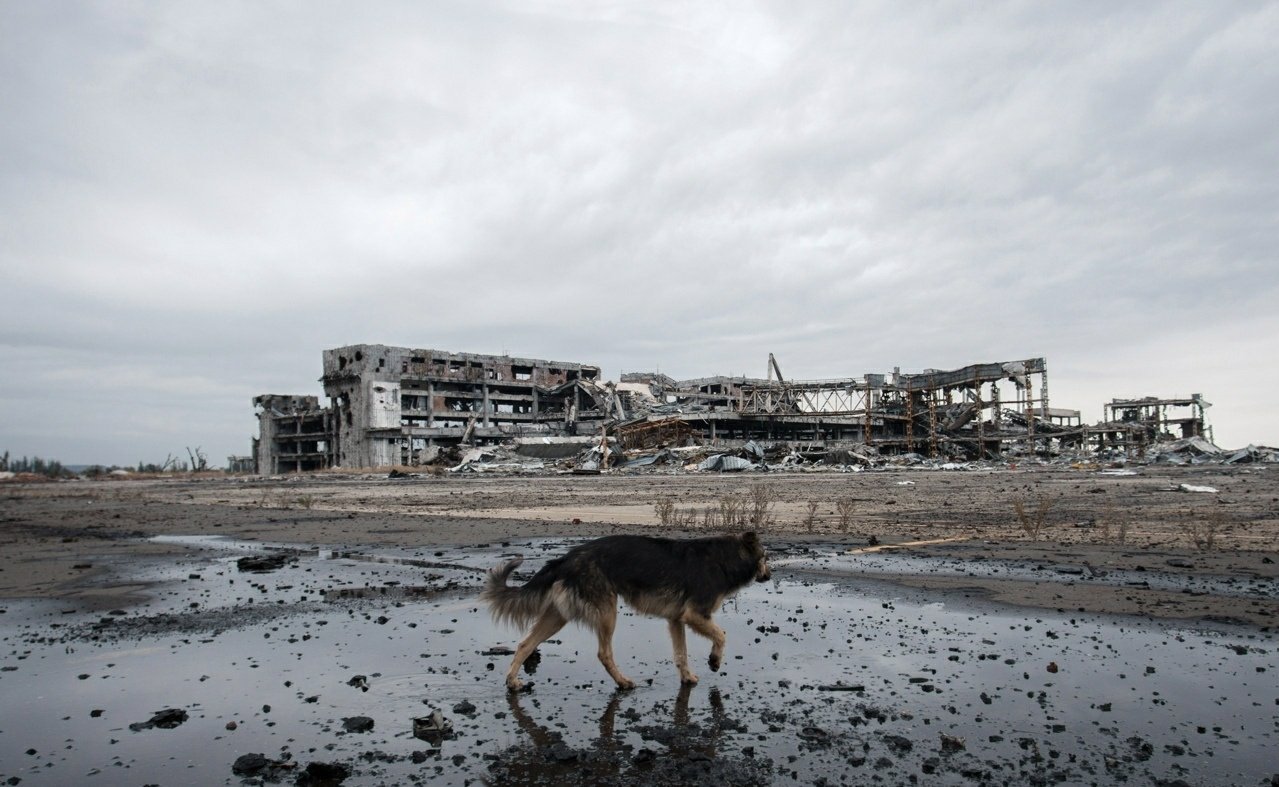
A dog against the background of his house destroyed by the war (Donetsk airport, 2015). Photo: online edition 62.ua

.jpg)
June 15, 2023. Deputy Chairman of the Russian Security Council Dmitry Medvedev inspects ammunition production at an experimental mechanical plant in the town of Aleksin, Tula Region. Photo: Ekaterina Shtukina / Sputnik / Reuters / Scanpix / LETA. Source: Meduza

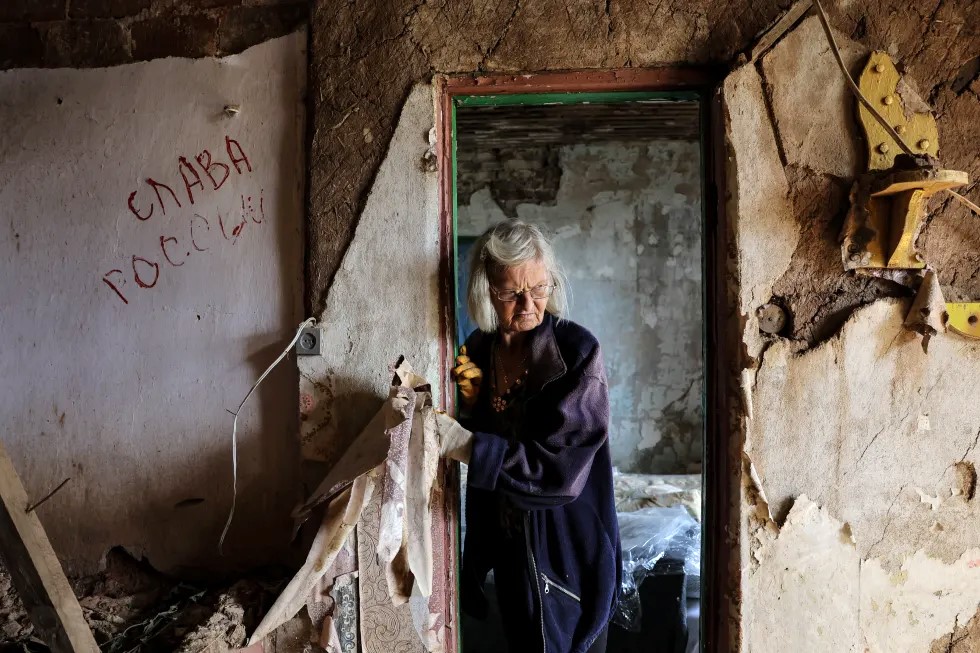
Iryna, 60, a resident of Dovhenke village, Kharkiv Region, after returning to her war-ravaged home. Photo: Oleg Petrasyuk / EPA / Scanpix / LETA. Source: Meduza

.jpg)
June 3, 2024. Rozovka resident Valentyna Chorna, 90, at her destroyed house. Photo: Alexander Ermochenko / Reuters / Scanpix / LETA. Source: Meduza

.jpg)
July 2, 2023. Lviv, Ukraine, deep behind the front lines. One shot from a peaceful city shows four people crippled by war. Photo: Vitaly Mansky. Source: Telegraf online edition.

.jpg)
August 21, 2023. Anastasia Ivashchenko, 14, at a makeshift memorial to fallen AFU soldiers on Maidan Nezalezhnosti (Independence Square) in Kiev. In late January, Anastasia's brother died near Bakhmut, in memory of him the Ukrainian put a flag. Photo: Laetitia Vançon for The New York Times. Source: Meduza

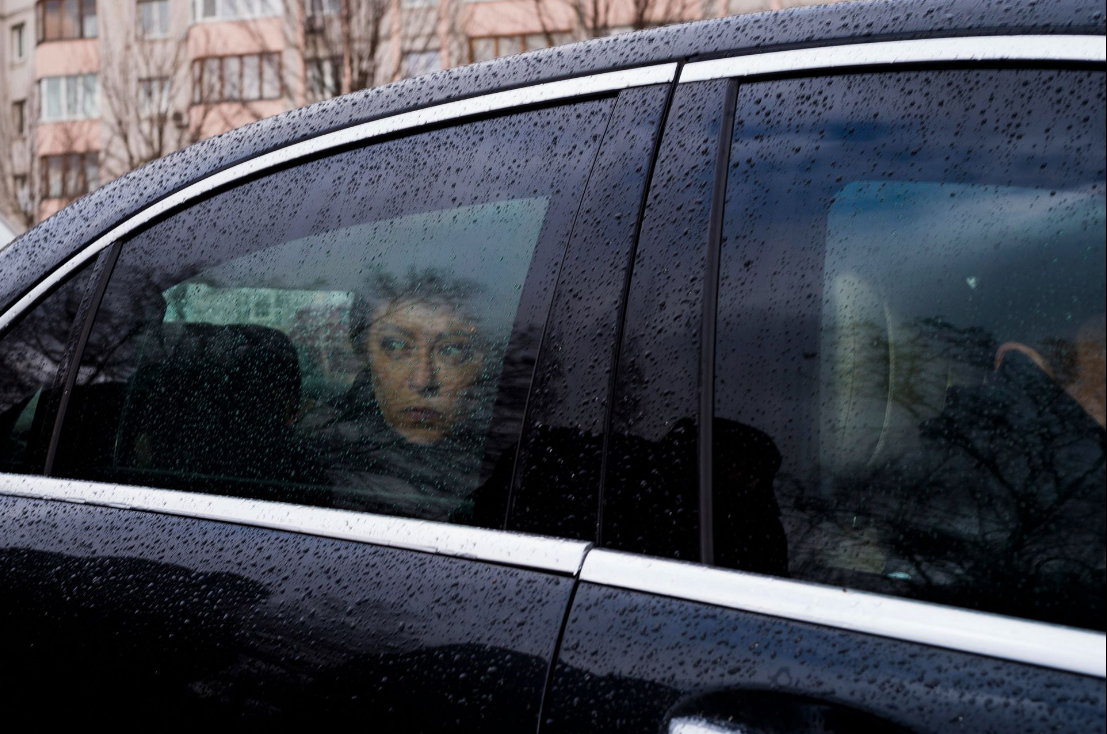
Italian Prime Minister Giorgia Meloni, stunned by what she saw in the Ukrainian town of Bucha, where hundreds of civilians were brutally killed. Photo: Federico Quintana / SIPA / Scanpix / LETA. Source: Meduza

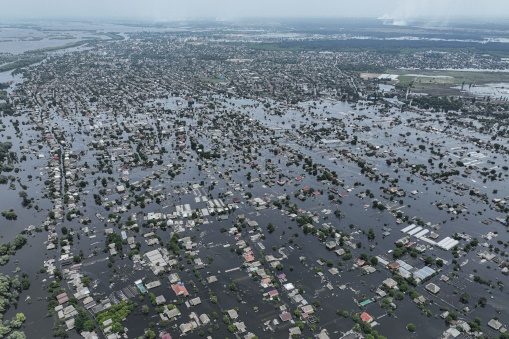
June 10, 2023. Houses under water in the town of Oleshki, Ukraine, flooded by the Kakhov dam explosion in the Kherson region. Photo: AP Photo/Evgeniy Maloletka

.jpg)
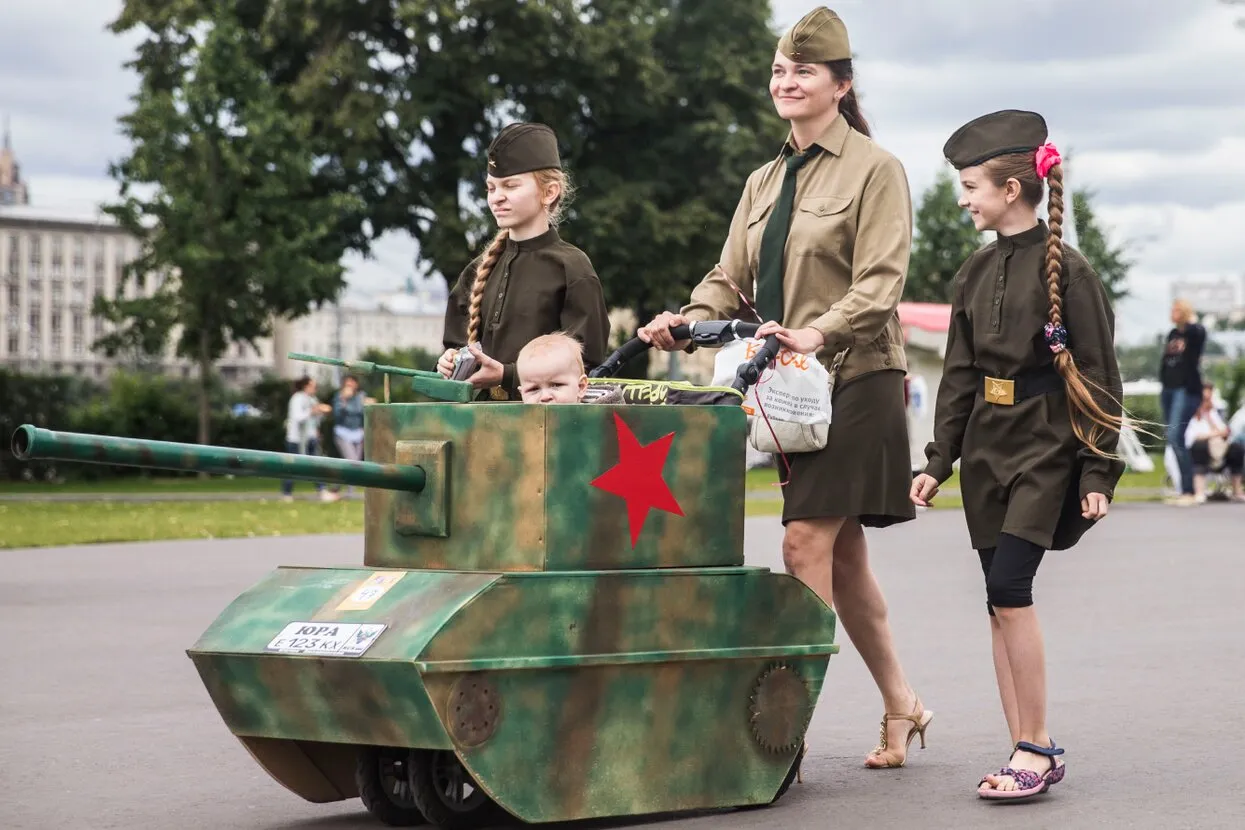
July 11, 2015. A parade of baby strollers in Moscow. Photo: Evgeny Feldman
.jpg)
June 9, 2023. A surviving cat in a flooded part of Kherson against the background of the World Health Organization (WHO) logo. Photo: Aleksey Filippov / AFP / Scanpix / LETA. Source: Meduza

.png) Dear reader, We invite you to share your opinion about this article and the Trust but Verify project in general through available communication channels.
Dear reader, We invite you to share your opinion about this article and the Trust but Verify project in general through available communication channels.